40+ Fruit Leather Recipes
Looking for a homemade fruit leather recipe?
Explore this Backpacking Chef collection of healthy and delicious fruit combinations that you can blend and dehydrate into amazing fruit leather snacks and smoothies.
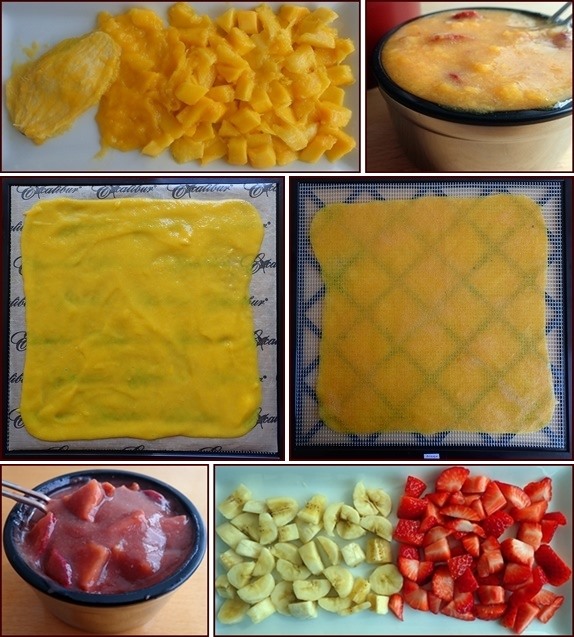
Learn how to make fruit leather, how to store and pack it for home and trail, and how to turn fruit leathers into fruit puddings and smoothies with hot or cold water.
Start with your favorite fruits…
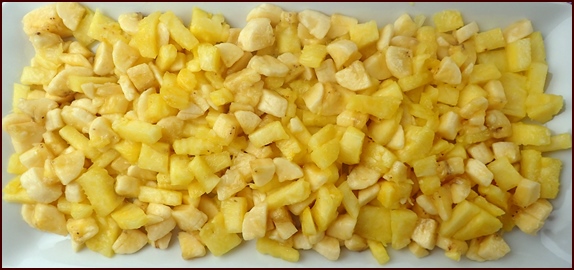
Photo: Banana and pineapple for making fruit leather.
Blend fruit and dehydrate on nonstick sheets…
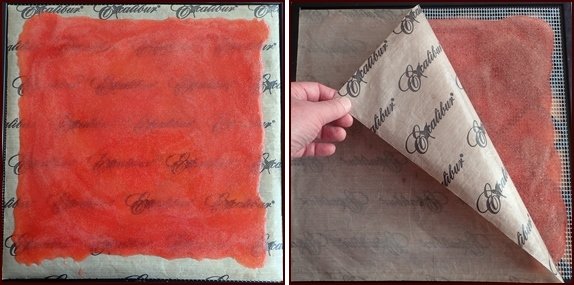
Photo: Dehydrating strawberry fruit leather faster with the flip-trick.
Pack and store fruit leather for home and trail…
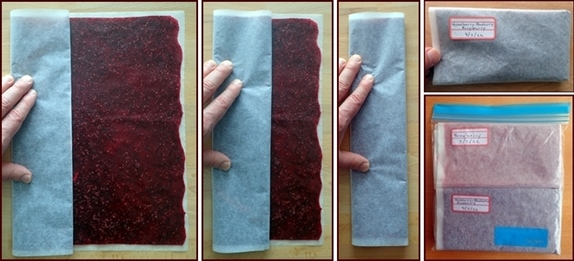
Photo: Folding up mixed-berry fruit leather in parchment paper for storage and transport.
Enjoy fruit leather as a healthy snack, or rehydrate it with hot or cold water into puddings and smoothies…
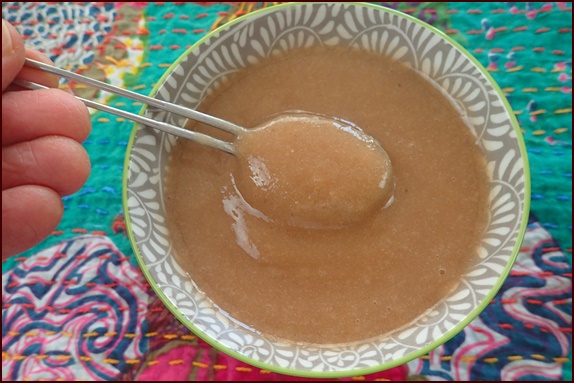
Photo: Banana split pudding made by rehydrating banana-pineapple fruit leather with cold water. Garnish with chopped nuts, shredded coconut, and chocolate shavings.
Fruit Leather Table of Contents
How to Dehydrate Fruit Leather
Backpacking Chef Fruit Leather Recipes
Fruit Leather Recipe of the Month
How to Make Fruit Leather
Choose One or More Fruits to Blend:
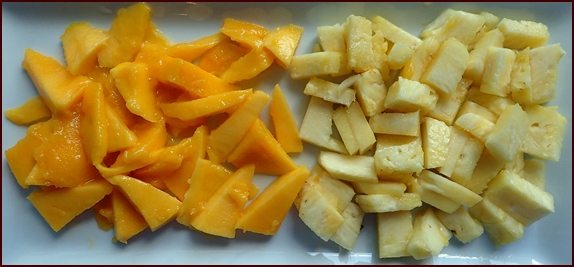
Photo: Mango and pineapple make a delicious fruit leather.
These fruits are great for making fruit leather:
Apple, apricot, banana, blackberry, blueberry, cherry, cranberry, grapefruit, grape, kiwi, lemon, nectarine, orange, peach, pear, persimmon, pineapple, plum, pumpkin, raspberry, rhubarb, strawberry, and watermelon.
Choose perfectly ripe fruit for best flavor and quality—not under-ripe or over-ripe fruit.
There is no rule that says you can’t add a vegetable like carrot, beet, or sweet potato to your fruit leather recipe. You will want to cook root vegetables first to soften them up, although you could use raw grated carrots. This might be a chance to use up some of those cucumbers from the garden, too.
Wash fruit and remove cores or large seeds. You can leave the skins on fruits like pears and apples since they contain healthy nutrients, but peel if you prefer. Discard any portions of fruit that appear dark or bruised. If you see signs of mold, which is common in strawberries, don’t use them.
Cut fruit into smaller pieces for the blender.
If necessary, add 1–3 tablespoons of fruit juice to make it easier for the blender to blend the fruit to a smoothie-like consistency.
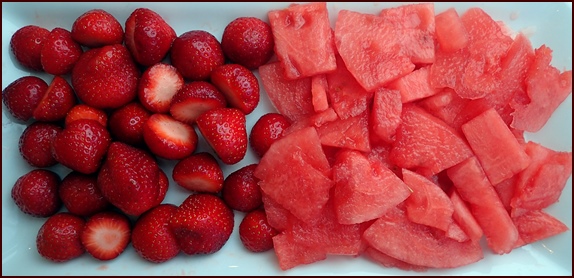
Watermelon and strawberries are 92% water, so if you make
fruit leather with either of those, you would not need to add additional fruit
juice. When making fruit leather with strawberries or
watermelon, you may want to add a banana, which is 74% water, to thicken the
mix. Apples and cherries are also good for thickening fruit leather.
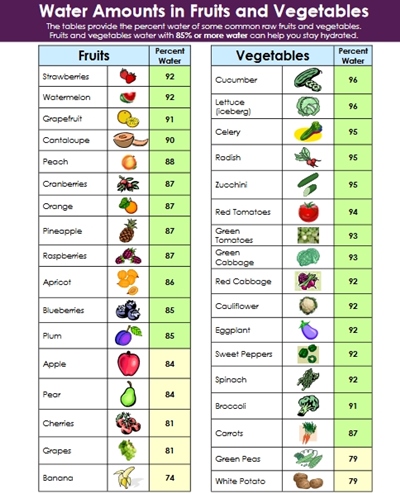
Click the photo above to see a list showing the water content of fruits and vegetables. Source: Urbanwormcompany.com
Fruit Leather Sweeteners & Flavorings
Fruit is already sweet, so go easy on extra sweeteners, or just leave them out. Instead of sugar, try adding a teaspoon of honey, maple syrup, or fruit preserves.
Seasonings which can be used sparingly include vanilla or almond extract, brandy, cinnamon, and nutmeg.
Fresh grated ginger or mint add a refreshing zing to fruit leather.
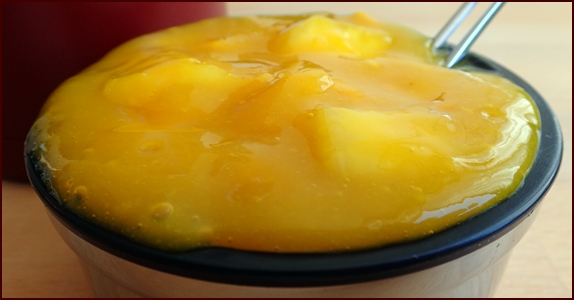
Photo: Trail pudding made by rehydrating ginger-mango fruit leather with added pineapple pieces.
Fruit juices help to blend fruits into perfect smoothie-like consistencies. Try adding 1–3 tablespoons of apple juice, cranberry juice, lemon juice, grape juice, orange juice, or pineapple juice to 3 cups of diced fruit (approx. 500 g) before running the mix through a blender. Go easy on lemon juice as it will add tartness to fruit leather. Grape, orange, and pineapple juice can make fruit leather stickier, but this is not a problem as long as you are dehydrating fruit leather on nonstick sheets.
For protein, try adding yogurt in a ratio of 1 part yogurt to 3 parts fruit. Dairy products can spoil, so store fruit leather containing yogurt in the refrigerator and eat it the first day out on a hike.
Optional Fruit Leather Garnishes
Try shredded coconut, chopped nuts, seeds, or granola. Sprinkle garnish on top of the mixture after you spread it on the dehydrator tray. Coconut, nuts, and seeds may shorten the shelf life of fruit leather since they include fats that could go rancid. Store in an airtight container.
How to Dehydrate Fruit Leather
Combine fruits and optional flavorings and juice in a blender and blend until smooth.
Spread thinly, about ⅛ inch thick on dehydrator trays covered with nonstick sheets or parchment paper. Don’t use waxed paper—the wax melts.
Dehydrate fruit leather at 135° F (57° C). Drying times usually fall in the 6–12 hour range, depending on the juiciness of your fruit leather recipe.
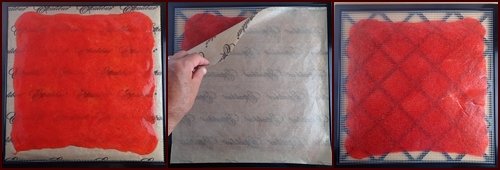
Photo: The flip trick. Flip the leather over onto a mesh sheet and peel off the nonstick sheet.
After 6 hours or so, the leather may be dry enough to peel off the nonstick sheets and place directly on the mesh trays. This speeds up the drying by exposing the bottom side of the leather to hot air, which circulates better inside the dehydrator after nonstick sheets are removed.
Leather will be pliable when done. Be sure to check spots where the mixture may have been spread thicker to make sure there is no moisture.
How to Pack Fruit Leather
Because fruit leather can be sticky, fold or roll it up in parchment paper or plastic wrap. This is especially important when vacuum sealing leather with other backpacking food rations. The pressure of vacuum sealing causes fruit leather to stick to itself, and it's very difficult to pull apart pieces of fruit leather that are stuck together.
Wrapped fruit leather that is rolled can be cut into smaller strips, aka fruit roll-ups.
My preferred method of packing fruit leather is to fold it in parchment paper. It forms creases at the folds, which makes it easy to tear off sections to eat while you’re hiking down the trail. One sheet of fruit leather folded up in parchment paper fits neatly into the pocket of a hiking shirt or hip belt. Several folded sheets of fruit leather can be packed in 1 Ziploc sandwich bag and vacuum-sealed with other dehydrated food rations. Once the fruit leather is eaten, the parchment paper can be used as a sanitary surface to prepare your evening trail meal.
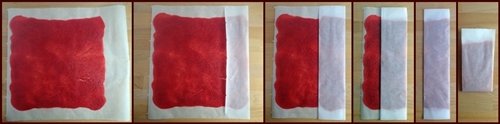
The photo above shows how to fold fruit leather with parchment paper. Place the fruit leather on the parchment paper, leaving an empty column of paper 3 inches wide on 1 side. Fold the paper over the leather, and continue folding in this manner. Once you have folded the leather 4 times, fold it in half the other way. This neat little package is now ready for vacuum sealing in with your daily rations for a backpacking trip.
How to Store Fruit Leather
The most important thing to get right about fruit leather storage is to make sure it is sufficiently dry. It should be in the range of pliable to not-quite-brittle. If it cracks, it might be a bit over-dried, but it will still taste good. If fruit leather is not sufficiently dry, it could grow mold.
Wrap up and store fruit leather as soon as it is dry and cool. If you let it sit out, it will absorb moisture from the surrounding air. If the fruit leather finishes drying during the night, dry it for another 30 minutes in the morning.
For home use, store fruit leather in an air-tight container. Large, wide-mouth canning jars work well for sealing out moisture for several months, but Ziploc bags are sufficient for storing fruit leather that will be eaten within a week or so. For longer term home storage, place packaged fruit leather in the refrigerator.
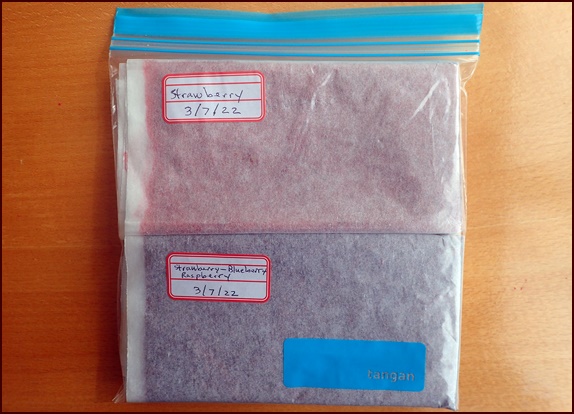
Photo: Wrapped fruit leathers in Ziploc bag.
When packing fruit leather for long backpacking trips that may include food mail drops, place several wrapped fruit leathers in Ziploc bags and vacuum seal them to block out air and moisture.
Fruit Leather Shelf Life
Well-dried and properly-packed fruit leather can easily last a year in Chef Glenn’s experience. Rarely does one need to store it that long, so shoot for using it within 6 months as a best practice, and 3 months if the leather includes nuts, seeds, or coconut. Fruit leather containing yogurt should be used within a few days after taking it out of the refrigerator.
Backpacking Chef Fruit Leather Recipes
Fruit Leather Recipe of the Month: Peach-Pineapple
Banana-Pineapple Fruit Leather
Just Mango, Ginger-Mango, Pineapple-Mango, Orange-Mango, Banana-Mango, Raspberry-Mango, and Mango Spoon Smoothies.
Strawberry Fruit Leather Recipes
Just Strawberry, Mixed-Berry, Banana-Strawberry, Orange-Strawberry, and Apple-Strawberry.
Fruit Leather Recipe of the Month
Peach-Pineapple
Fruit Leather
Servings: 2 fruit leather sheets
Ingredients:
- 1½ cups peeled and diced peaches (225 g)
- 1½ cups diced pineapple (250 g)
- 3 Tbsp. pineapple juice
Instructions:
Canned pineapple in its own juice works great for this recipe.
Run ingredients through a blender using the smoothie setting. This recipe produces 2 cups of blended fruit. Spread thinly on 2 dehydrator trays covered with nonstick sheets.
Dehydrate at 135°F (57°C) for 7–9 hours to the range between pliable and not-quite-brittle.
After about 5 hours, when the leather is substantially dry, flip it over onto a mesh dehydrator sheet, peel off the nonstick sheet, and finish drying directly on the mesh or wire dehydrator trays.
Tip: Backpacking Chef tested dehydrating this fruit leather recipe in a Cosori dehydrator using the plastic trays that come with the dehydrator. The fruit leather stuck to the tray and could not be peeled off in 1 sheet.
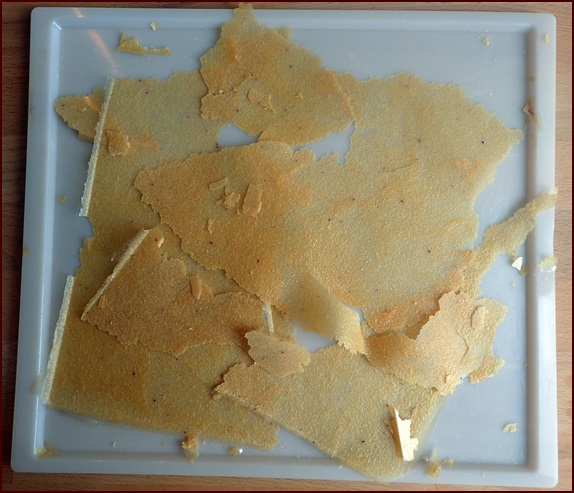
Photo above: Fruit leather does not peel off in 1 piece using the plastic tray in a Cosori dehydrator.
For the second test, a nonstick sheet was placed in the tray and the leather peeled off easily.
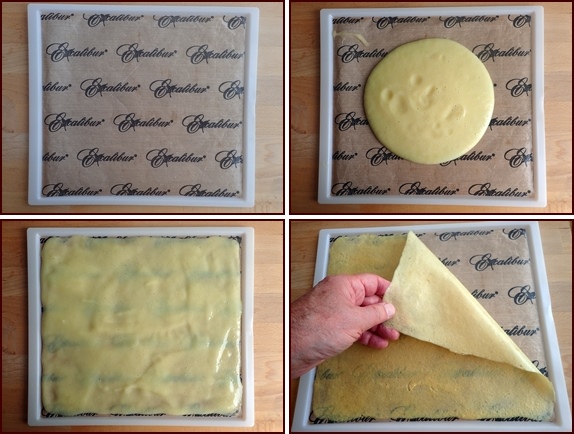
Photo: Nonstick sheet cut down to fit inside Cosori dehydrator tray. Fruit leather peeled off easily.
Making Fruit Leather with Cooked Fruit
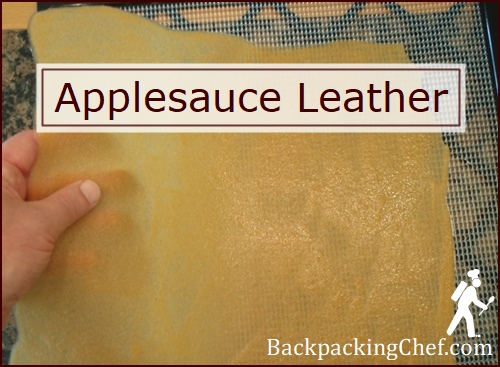
Most of the time, you will dry the fruit raw, but you can
also create a masterpiece by cooking the fruit to intensify the sweetness. Try the
applesauce fruit leather recipe or the Concord grape fruit leather recipe below.
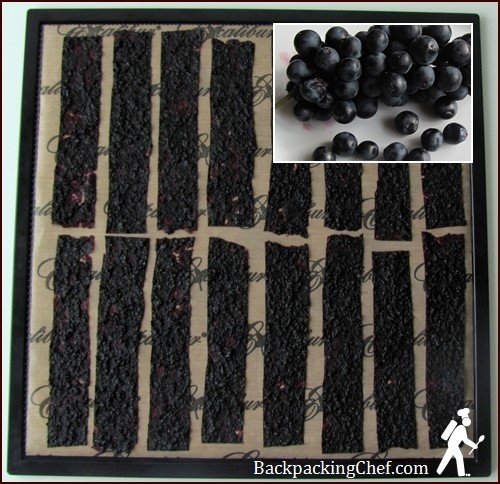
Photo: 100% Concord grape fruit leather cut into strips after drying.
Concord grapes are small but have 2 or 3 hard seeds inside them. The seeds are packed with healthy nutrients, but they aren't all that fun to eat. To break-up the seeds, run the grapes through a blender to a smoothie-like consistency, and then cook them. This intensifies the natural sweetness of the grapes and releases the nutrients from the seeds.
Bring the grapes to a boil for a couple of minutes, then simmer them on the lowest setting for 1 hour.
If it looks like you still have a lot of whole seeds, run the cooled mixture through a blender again.
Spread the grape slurry thinly on dehydrator trays covered with nonstick sheets. Dehydrate at 135°F (57°C) for approximately 10 hours until almost snappy.
When the grape leather is substantially dry after 6 hours or so, peel off the nonstick sheets and cut the leather into strips, like fruit jerky. Spread the strips out directly on mesh sheets to finish drying.
The resulting Concord grape fruit leather, with no other ingredients added, is sweet and delicious with crunchiness from the ground up seeds.
Fruit Leather Recipes Shared by Backpacking Chef Readers
Sweet Potato Taffy Fruit Leather Recipe
Shared by Da Fisherman from Bessemer, MI
Ingredients:
- 1 can of yams (29 oz.), drained
- 1 medium banana
- ¼ cup maple syrup
Instructions:
Drain yams, peel banana, puree all ingredients in food processor until smooth. Spread on nonstick sheet and dehydrate for 7–8 hours at 135°F (57°C). It should be taffy-like consistency when done. Peel from nonstick sheet and cut into squares.
The extra sugars in the maple syrup keep this flexible like taffy. I like banana taffy, but have had success with strawberries as well.
Apple-Banana-Blueberry
Fruit Leather Recipe
Shared by Logtec from Ontario, Canada
Ingredients:
- 4 medium apples
- 6 small bananas
- 1 cup blueberries
- 1 large orange
- 1 Tbsp. honey
- 1 Tbsp. lemon juice
Instructions:
Blend until smooth. This may require more than one blender load. Spread thinly on dehydrator trays and dehydrate at 135°F (57°C) until leathery.
Sweet
Potato-Cranberry Fruit Leather Recipe
Shared by Laurie from El Mirage, AZ
Ingredients:
- 1 can sweet potato/yam chunks, drained
- 1 can whole cranberry sauce
- ¼ cup white grape juice
Instructions:
Put all ingredients in a blender and puree until it's completely smooth. Spread evenly and dry at 145°F (63°C) for 6–8 hours.
Easy
Applesauce Fruit Leather Recipe
Shared by Heather Kelly from Fort Collins, CO
Ingredients:
- 1 jar applesauce
- Cinnamon and sugar if desired
Instructions:
Pour homemade or jarred applesauce onto dehydrator tray with nonstick sheet. Spread thinly and dehydrate at 135°F (57°C).
On the Trail:
Combine 1 cup of pieces of applesauce leather and 1 cup water. Let sit for 10 minutes to rehydrate. Bring to boil and stir. Heat over medium flame until it is back to applesauce consistency. Add dash of cinnamon and enjoy!
Pineapple-Coconut
Fruit Leather Recipe
Shared by Steve H from MN
Ingredients:
- 1 can crushed pineapple
- ¼ cup coconut flakes
Instructions:
Mix crushed pineapple and coconut together.
Spread thinly on dehydrator tray covered with a nonstick sheet. Dehydrate at 135°F (57°C) until crisp.
Break into large pieces and bag. Eat as a snack or meal. Great pineapple coconut flavor and crunch! May be added to dried vegetables, meat, and rice for a Tropical Veggie Rice dinner.
Jell-O
& Applesauce Fruit Leather Recipe
Shared by Barbara from Ocala, FL
Ingredients:
- 2 Quarts applesauce or other pureed fruit
- 1 3-oz. Box of Jell-O, any flavor, sweetened with sugar or sugar free
Instructions:
Combine ingredients and dehydrate, roll in plastic wrap and store in refrigerator until ready to use. Kids especially love this combination; great snack or dessert for Scout camp outs.
Mulberry-Sour
Cherry Fruit Leather Recipe
Shared by Patrice from West Brandywine, PA
Ingredients:
- Mulberries
- Sour Cherries
Instructions:
Puree and strain a mixture of sour cherries and mulberries. I don't usually add sweetener because the mulberries are large and sweet. The tart cherries add an interesting contrasting flavor. I use an oven dehydrator so I cover a cookie sheet with plastic wrap and then add about 2 cups pureed fruit, making it thicker at the edges. It usually takes about 4–6 hours until it's no longer sticky. When it's done, I put a piece of wax paper on each side and roll it up to cut it, slicing each sheet into several 1–2 inch strips. These will last for a few days. I freeze what I want to save for later. They will last for 6 months to a year frozen.
Vanilla
Strawberry-Rhubarb Fruit Leather Recipe
Shared by Michelle from Eagle, ID
Ingredients:
- 4 quarts ¼ inch sliced rhubarb
- 2 quarts strawberries
- 3 cups vanilla sugar, more or less depending on tartness of your fruit
Instructions:
Put fruit into a large Dutch oven and add water up to the level of the fruit. Cover and cook on medium-high until fruit is very soft. Stir in the sugar. Puree mixture with an immersion blender. Continue to cook until reduced to the same thickness of applesauce. Remove from heat. I ladle the puree into small oblong shaped rectangles on a parchment-lined sheet pan. Since my oven has a dehydrate setting, I can fit a lot in there. When they're dry, I simply cut the parchment paper with the fruit leather remaining on it and stack in a sealed container.
Just
Bananas Fruit Leather Biscuits
Shared by Bev K. of Queensland, Australia
Instructions:
Peel and chop 5 or 6 ripe bananas into chunks. Mash bananas with whizz stick or food processor until thick and creamy.
Spread spoonfuls of mixture on nonstick sheets or parchment paper on dehydrator racks.
Dehydrate at 135°F (57°C) for 8–10 hours until firm but flexible.
After about 6 hours you can remove parchment paper and place banana biscuits upside down on trays to speed up drying.
Store biscuits in zip bags until ready for use.
Eat banana biscuits as high-energy snacks while hiking or with tea or coffee. Alternatively, rehydrate a single banana biscuit with 2–3 tablespoons of water and stir until a smooth consistency. Use as a dessert or fruit to add to cereal at breakfast.
Sometimes I add 4–5 spoonful’s of Greek yogurt to the banana mixture before drying for a change.
Rhubarb
Rounds with Krisps
Shared by Amy from Tacoma, WA
Ingredients:
- Rhubarb
- Splenda or sugar
Instructions:
To make rhubarb rounds, wash rhubarb stalks and cut off the leaves which are not edible. Slice rhubarb into ½-inch pieces and put in pot with enough water to cover about a quarter of the rhubarb. Rhubarb is so full of water that if you add too much you will end up with soup.
Add sugar or Splenda to sweeten to taste, however sweet or tart you like your rhubarb. Cook until rhubarb falls apart when stirred with spoon. If you find you added too much water you will want to cook it down to it is thick.
Drop it on the
dehydrator sheet by spoonfuls so that they spread to the size of a quarter or a fifty-cent piece. Dehydrate on nonstick sheets. They should pop off when you bend the sheet.
I carry whole grain Rye Krisp for my morning toast and make “jam” at breakfast using thin rhubarb rounds. The rhubarb leather is sweetened with Splenda, so it isn’t real sticky. I carry the rounds in a baggie with my other dehydrated fruit.
At breakfast, I dunk some of the rhubarb rounds in my tea and then lay the wet rounds on the Rye Krisp, spooning a couple more drops of hot tea on it, but not so much that it makes the Rye Krisp soggy. I let it sit while I eat my morning gruel and then I have my toast and jam with my tea.
Al's Apple
Jerky
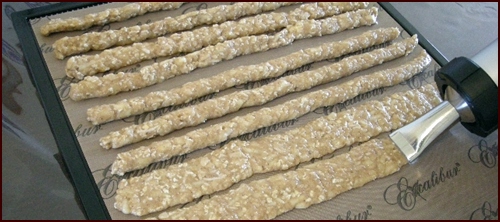
Shared by Al Rutherford of Ontario, Canada
This one has lots of photos. Explore Al's Apple-Jerky recipe.
More
Easy Fruit Leather Recipes from Readers:
Add 1–2 tablespoons of fruit juice to any of these fruit leather combinations to achieve a smoothie-like consistency in your blender.
Banana-Lemon-Honey: 1 banana, ½ lemon, 1 Tbsp. honey
Banana-Orange-Cranberry: 1 banana, ½ large orange, 1 Tbsp. Cranberry Sauce
Pineapple-Banana-Coconut: 1 cup pineapple pieces, 1 banana, shredded coconut
Apple-Banana: 1 apple, 1 banana
Blueberry-Banana: 1 cup blueberries, 1 banana, 1 Tbsp. blueberry jam
Banana-Orange-Yogurt-Vanilla: 1 banana, ½ large orange, ½ cup plain yogurt, ¼ tsp. vanilla extract.



Share this page with friends on social media.



Free E-book & Newsletter

Free with Trail Bytes subscription.

Dehydrating Food from A–Z
Fruit Leather Recipes in Trail Bytes:
Subscribe to Trail Bytes and receive a free e-book:
Home & Trail: An Introduction to Drying Food