Hoppin’ John Recipe for Hikers
This Hoppin’ John recipe features traditional ingredients including black-eyed peas, rice, ham, and collard greens, which, according to folklore, symbolize prosperity. The ingredients also represent resilience, an assurance that we will not only survive, but thrive on rustic, nutritious food in the days ahead.
Hoppin’ John is often served on New Year's Day, but this humble comfort food satisfies hungry hikers any time of year, especially on cool nights around a campfire.
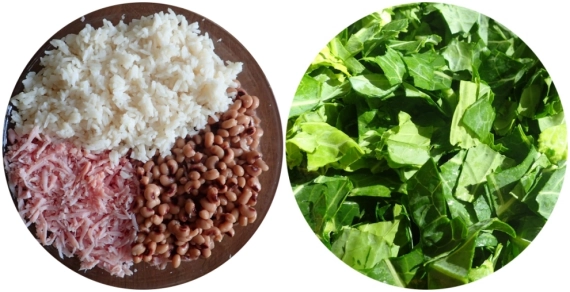
Photos: Hoppin’ John features black-eyed peas, ham, rice, and collard greens.
Hoppin’ John has strong cultural roots in West African cooking and was popularized in the American South through the influence of enslaved West Africans. Read more about the history of Hoppin' John on Wikipedia.
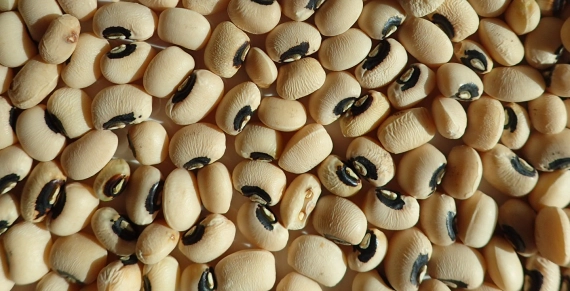
Photo: Black-eyed peas before cooking.
Black-eyed peas, the main ingredient in Hoppin’ John, are technically beans. They were commonly called field peas in earlier agrarian times, and the name stuck. If you can’t find black-eyed peas, then crowder peas or small white beans, such as navy beans or great northern beans will work.
I used collard greens for this Hoppin’ John recipe, but turnip greens or mustard greens can also be used.
Recipe Timing Tip: Hoppin’ John and collard greens are cooked in separate pans, but they take the same amount of time to cook, about 45 minutes. For maximum efficiency, wash and chop the greens before you start cooking the Hoppin’ John, so that you can cook everything at the same time.
Table of Contents
How to Make Hoppin’ John
Overview:
- Soak black-eyed peas overnight, unless you use canned black-eyed peas.
- Sauté celery, onions, and garlic in a large pan with minimal cooking oil.
- Add black-eyed peas to pan and simmer in chicken broth.
- Combine with cooked rice and ham.
- You will use a total of 7½ cups (60 oz. or 1777 ml) of low-sodium chicken broth to cook the black-eyed peas, rice, and collard greens.
- This recipe yields approximately eight cups of cooked Hoppin’ John.
Hoppin’ John Ingredients:
- 1½ cups dry black-eyed peas (250 g)
- 1–2 celery stalks, finely chopped (50 g)
- ½ medium onion, finely chopped (50 g)
- 3 cloves garlic, finely diced.
- 4 cups low-sodium chicken broth for cooking peas (946 ml)
- 11.6 oz. lean, thick-cut ham, precooked (330 g) *
- 1 bay leaf
- 1 tsp. cooking oil
- Salt & pepper to taste
- 1 cup rice (180 g)
* The deli section of your grocery store is a good place to purchase 96% fat-free ham. Ask the clerk to slice it half-an-inch thick, about one centimeter. This cut is often called a “dinner cut.” Other options include thick-cut Canadian bacon or precooked ham steaks.
Cooking Hoppin’ John:
Step 1, The Night Before:
Examine black-eyed peas and discard any deformed beans or foreign debris.
Rinse the beans thoroughly and soak them overnight in the refrigerator, covering the beans with two inches of water. This will reduce cooking time compared to starting with dry beans.
Step 2:
Starting with thick-cut slices of lean, precooked ham, shred the ham with a grater and set it aside. Grating the ham will ensure that it dries at the same rate as the other ingredients if you plan on dehydrating the Hoppin’ John for backpacking meals.
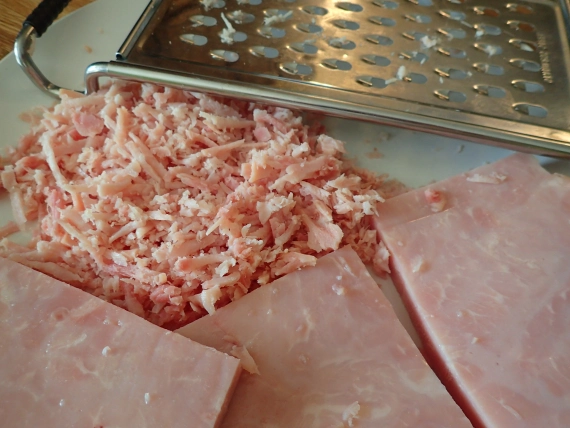
Photo: Shredding thick-cut ham.
Step 3:
Cook one cup of rice in a saucepan following the instructions on the package. Instead of using plain water, use low-sodium chicken broth for extra flavor. To cook one cup of rice, use between 1½ cups and two cups of broth, depending on the type of rice. For this recipe, I cooked one cup of jasmine rice using 1½ cups of broth. Most rice will be done after 20 minutes. Set cooked rice aside with the lid on the pot.
Step 4:
Chop the celery and onions finely and mince the garlic.
Add celery and onions to a large frying pan and cook on medium heat using one teaspoon of cooking oil. After about five minutes, add the garlic, stirring continuously.
To keep vegetables from scorching, add one teaspoon at a time of chicken broth every couple of minutes, using a total of three teaspoons until onions are translucent.
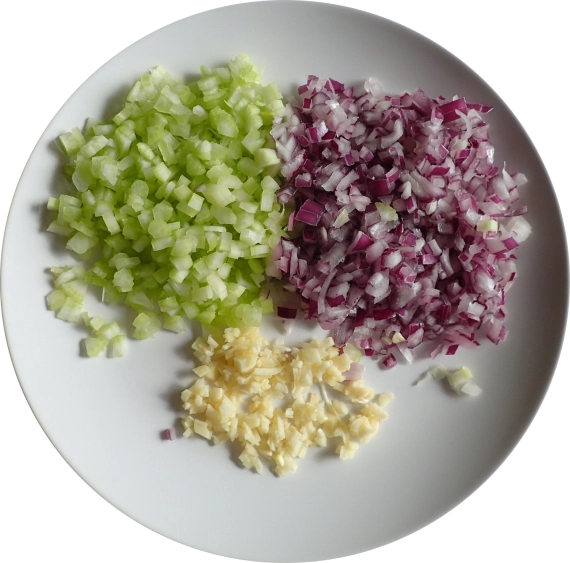
Photo: Celery, onions, and garlic chopped finely.
Step 5:
Drain the soaking water from the black-eyed peas. Some of the hulls of the black-eyed peas will have come loose from the soaking. It’s perfectly fine to include them in the Hoppin’ John (adds fiber) or you can discard some of the loose hulls. Add the soaked black-eyed peas to the pan with four cups of low-sodium chicken broth and one bay leaf.
Bring to a boil, then reduce heat to a light simmer. Continue cooking with a lid on the pan for 45 minutes until the beans are tender, but not mushy.
Between 1–1½ cups of flavorful broth will remain after the beans are cooked. Leave it in.
Step 6:
Add the cooked rice and shredded ham to the cooked black-eyed peas and remaining broth in the pan. Simmer for a few minutes at low temperature until the Hoppin’ John is heated evenly through. Add salt and pepper if needed.
Serving Suggestions:
Serve Hoppin’ John with a side of collard greens and cornbread. Or dehydrate it into backpacking meals guaranteed to bring good fortune down the trail.
Dehydrating
Hoppin’ John
Once the Hoppin’ John mixture of black-eyed peas, shredded ham, and rice has cooled enough to handle, spread it loosely on dehydrator trays using nonstick sheets or silicone dehydrator trays with raised edges. Because you include all remaining broth, silicone trays with raised edges are the best option for containing the liquid.
Dehydrate Hoppin’ John at 145°F (63°C) for approximately seven hours until evenly dried.
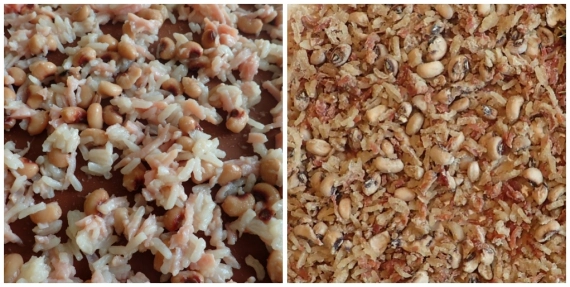
Photos: (l) Two cups of cooked Hoppin’ John on silicone tray with raised edges. (r) After drying.
This Hoppin’ John recipe fills approximately eight cups (1860 g) before drying.
If using an Excalibur dehydrator, place two cups of Hoppin’ John on each of four trays. For dehydrators with smaller trays, one or one-and-a half cups is a good quantity.
Stir the Hoppin’ John around after four hours to ensure even drying, and then again when it is almost dry.
Dried Yield: Eight cups of cooked Hoppin’ John yields approximately five cups dried (489 g).
Allow Hoppin’ John to cool completely before storing it in an airtight container.
Best Food Dehydrators
Which is the best dehydrator for your needs?
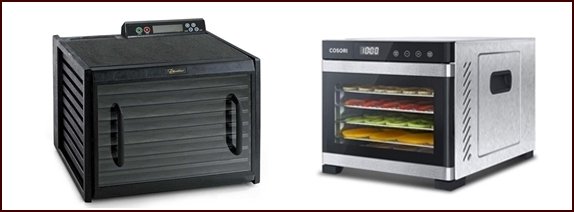
Read my dehydrator comparisons and reviews:
How to Cook Collard Greens
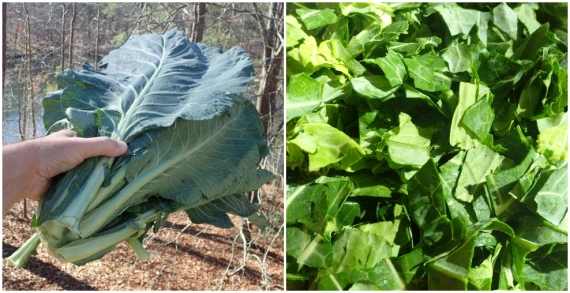
Photos: One bunch of collard greens cut into smaller pieces.
Overview:
- Wash greens thoroughly and cut leaves away from center midrib.
- Cut leaves into smaller pieces.
- Simmer greens in chicken broth with seasonings for approximately 45 minutes.
- If available, cook greens with nonfatty, precooked ham trimmings for extra flavor.
Collard Greens Ingredients:
- 1 bunch collard greens, approx. 450 g after trimming
- 2 cups low-sodium chicken broth (473 ml)
- 1 tsp. onion powder
- ½ tsp. garlic powder
- ¼ tsp. red pepper flakes
- 1 Tbsp. apple cider vinegar
Cooking Collard Greens
Step 1:
Separate the greens into individual leaves and wash thoroughly to remove field dirt.
Step 2:
Cut the midrib out of each leaf with scissors and discard the midribs.
Roll each leaf up like a cigar and slice in half lengthwise.
Then make several crosswise cuts.
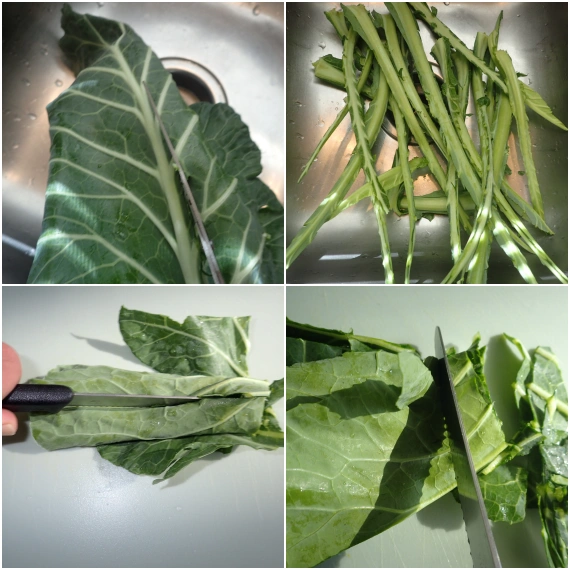
Photos: Cutting out the midrib, then slicing the leaves lengthwise and crosswise.
Step 3:
Place greens in a large pan with chicken broth and all seasonings except for the apple cider vinegar. For extra flavor, nonfatty ham trimmings can be cooked with the greens.
Bring to a boil, then cover and reduce heat to a light simmer for approximately 45 minutes until greens are tender.
Stir in one tablespoon of apple cider vinegar during the last five minutes of simmering.
Serving Suggestions:
Serve heaping portions of collard greens with Hoppin’ John, or with thick-cut ham steaks, beans, rice, and cornbread.
Provide a bottle of hot pepper sauce on the table for guests who love a little heat with their greens.
To use in backpacking meals, read on for dehydration instructions.
Dehydrating Collard Greens
When the greens are finished cooking, some of the liquid may remain. This is traditionally called “pot likker.” It is flavorful and rich in nutrients. Leave it in.
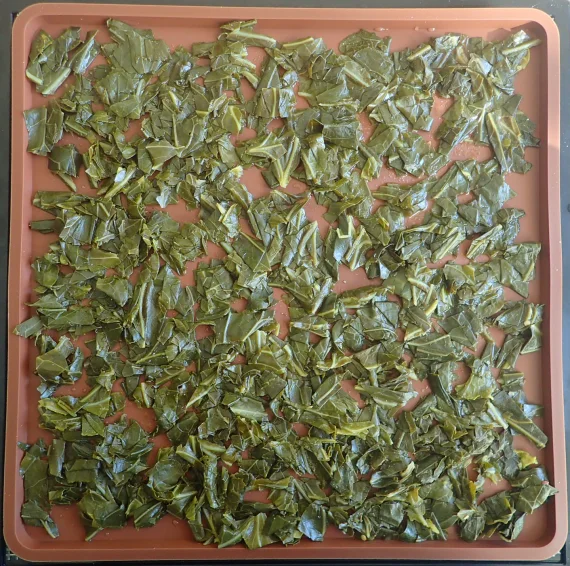
Photo: Cooked collard greens on silicone tray sized for Excalibur dehydrator.
Place cooked greens and juices loosely on dehydrator trays. Silicone trays with raised edges are ideal for containing the liquids. Some overlapping of the greens is unavoidable at the beginning.
If you like hot sauce with greens, shake a few drops on top of the greens according to your taste.
One bunch of collard greens after cooking can be spread on two Excalibur trays.
If dehydrating the greens at the same time as the Hoppin’ John, then use the same temperature of 145°F (63°C).
If dehydrating greens by themselves, then 135°F (57°C) is also a suitable temperature.
Collard greens dry fast, in as little as four hours. When they are substantially dry, they will start to blow around the dehydrator if you don’t cover them.
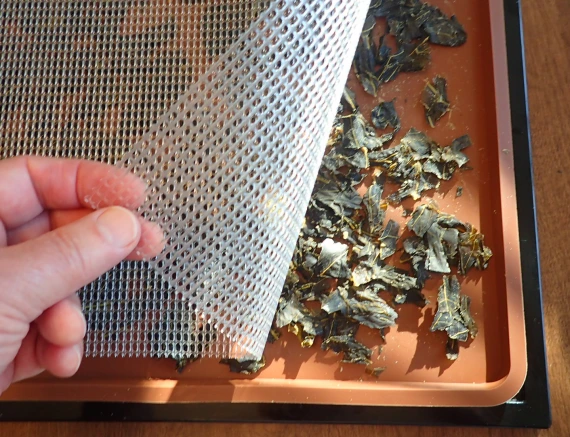
Photo: Covering collard greens with a mesh sheet to hold them in place.
After two hours of drying the greens, remove the trays from the dehydrator.
Stir the greens around and pull apart any leaves that are stuck together.
Place a mesh sheet over each tray of greens to keep the leaves from blowing around and return the trays to the dehydrator to finish drying.
Dried Yield: One bunch of collard greens, trimmed and cooked, yields approximately three cups of dried collard greens (64 g).
Store dehydrated greens in an airtight container.
Quick & Easy Hoppin’ John & Greens
No time for cooking?
Here’s a fast way to make Hoppin’ John using canned black-eyed peas and canned collard greens:

Photo: Cooked rice, canned black-eyed peas, and shredded ham.
Ingredients:
- 1 can seasoned black-eyed peas (448 g)
- 200 g lean ham, precooked and shredded
- ½ cup rice, before cooking (90 g)
- 1 can seasoned collard greens (765 g)
Procedure:
Cook rice according to package instructions. A ½-cup of rice will yield approximately 1½ cups of cooked rice. Cook rice in chicken broth if you have it on hand, or season with bouillon.
Combine cooked rice with shredded ham and black-eyed peas. Include all liquid from the can.
Spread Hoppin’ John on dehydrator trays and dehydrate according to previous instructions.
Spread collard greens, including all liquids, on separate dehydrator trays and follow previous instructions.
Rehydrating Hoppin’ John on the Trail

Photo: Dehydrated Hoppin’ John and collard greens.
Servings: 1 large
Ingredients:
- 1 cup dried Hoppin’ John (100 g)
- ¾ cup dried collard greens (16 g)
- 1¾ cups water to rehydrate (416 ml)

Photo: Hoppin’ John and collard greens rehydrated into a backpacking meal. Delicious!

Servings: 1 X-large or 2 small
Ingredients:
- 1¼ cup dried Hoppin’ John (125 g)
- 1 cup dried collard greens (20 g)
- 2 cups water to rehydrate (473 ml)
The quantity above will fill a 24 oz. capacity Thermos Food Jar.
On the Trail:
Place dried ingredients in pot with water and soak for five minutes. Light stove and bring to a boil for one minute. Transfer pot to an insulating pot cozy and wait 15 minutes to serve.
Alternatively, add boiled water to dried ingredients in a thermos, Mylar bag, or freezer bag. Insulate the bag and wait 20 minutes to serve.
Shop Amazon
Shop Amazon for the Excalibur dehydrator and accessories used for dehydrating Hoppin’ John and collard greens on this page. Teflon-style ParaFlexx nonstick sheets work well with Excalibur dehydrators, but silicone nonstick trays with raised edges are even better for keeping liquids from dripping off the trays.
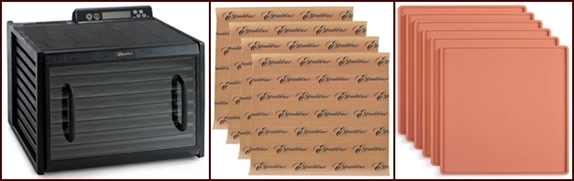
Excalibur Dehydrator Digital Controls, 9 Trays
Excalibur ParaFlexx Reusable Non-Stick Drying Sheets, 14” x 14”, Set of 4
Silicone Dehydrator Trays with Raised Edges, 14" x 14", Set of 6
Silicone Dehydrator Trays with Raised Edges, 11.8" x 10.8", Set of 6, works with Excalibur or Cosori dehydrators.
Disclosure: As an Amazon Associate, Backpacking Chef earns from qualifying purchases. Thank you!
Explore More…


Share this page with friends on social media.


Free E-book & Newsletter
Free with Trail Bytes subscription.

Dehydrating Food from A–Z